Builtaroundhowthebusinessalreadyruns.
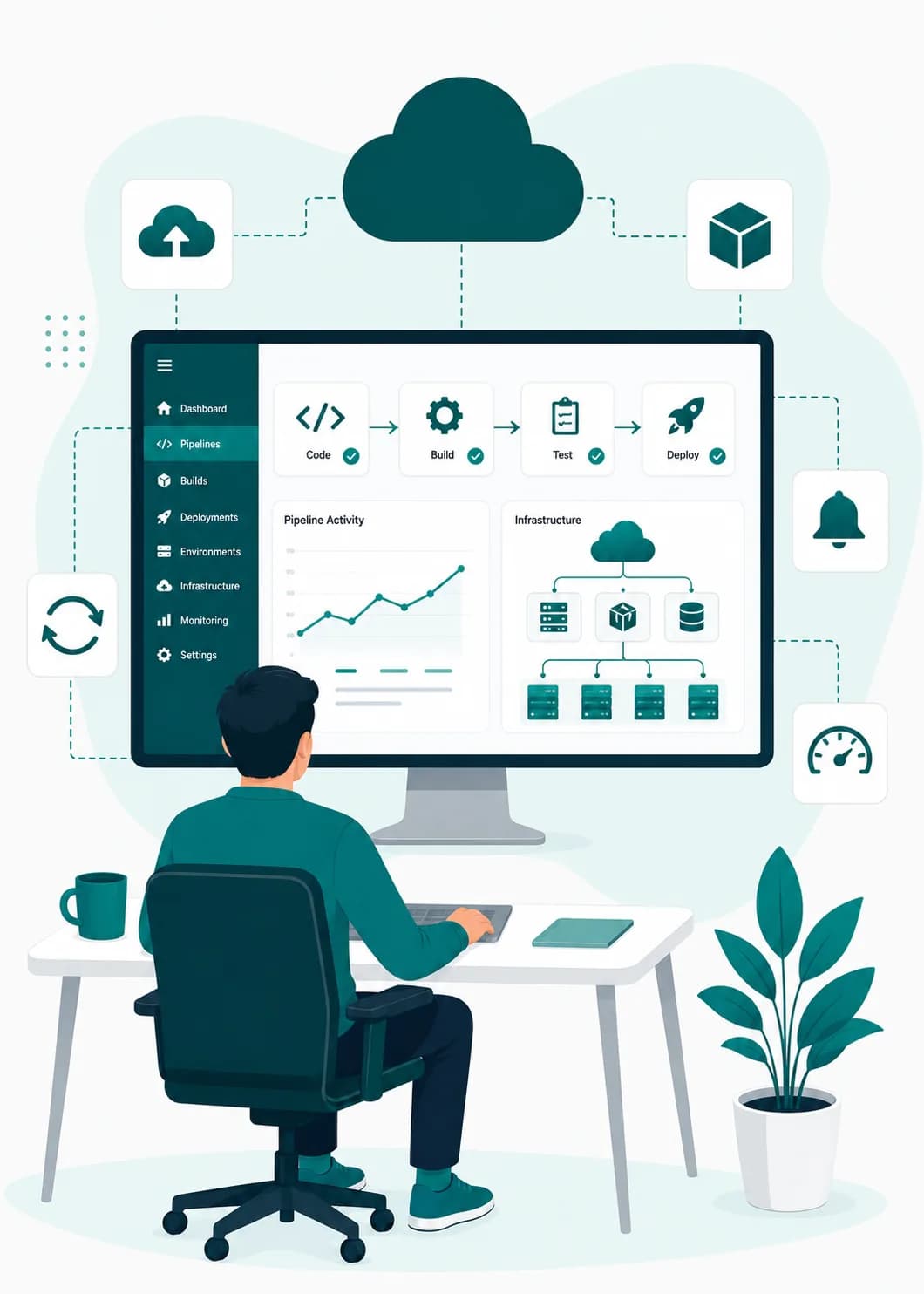
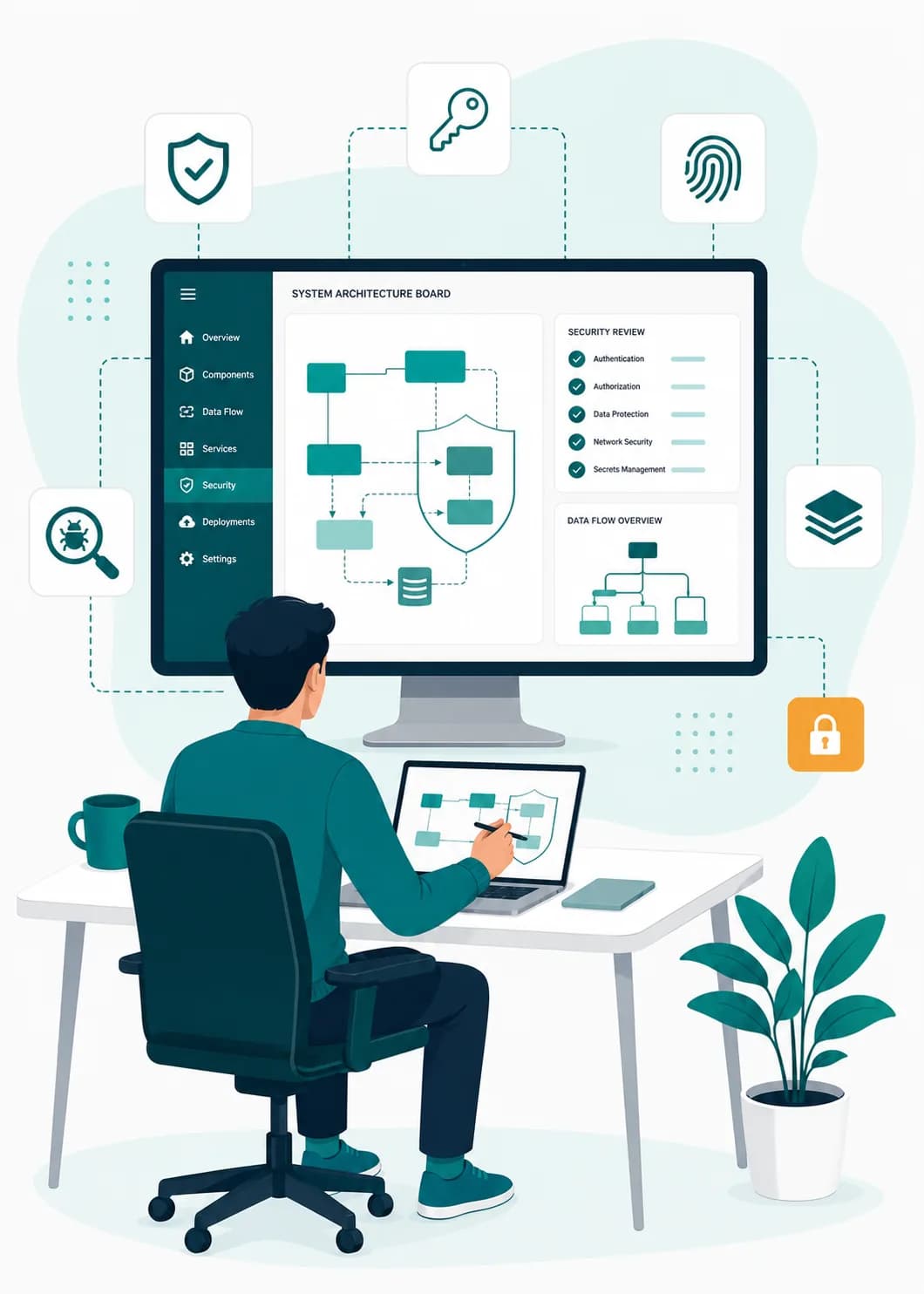
The software development lifecycle we run, stage by stage:
- Planning — Scope, roadmap, success metrics.
- Analysis — Requirements become constraints.
- Design — Architecture, interfaces, data flow.
- Development — Implementation in short iterations.
- Testing — Automated checks and QA gates.
- Deployment — Pipelines and staged rollout.
- Maintenance — Observe, patch, evolve.
Service lines
Different shapes of engagement, one way of working
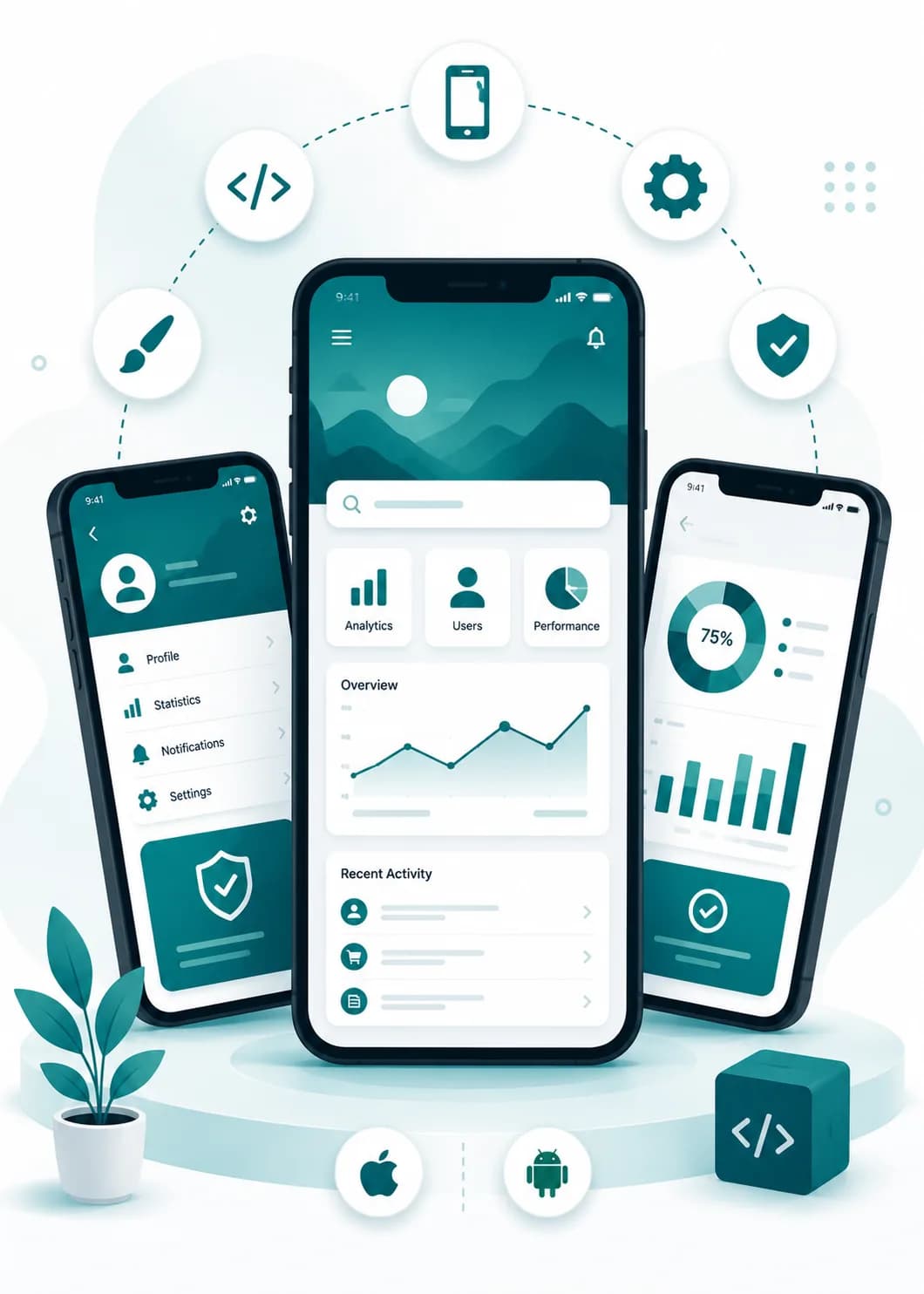
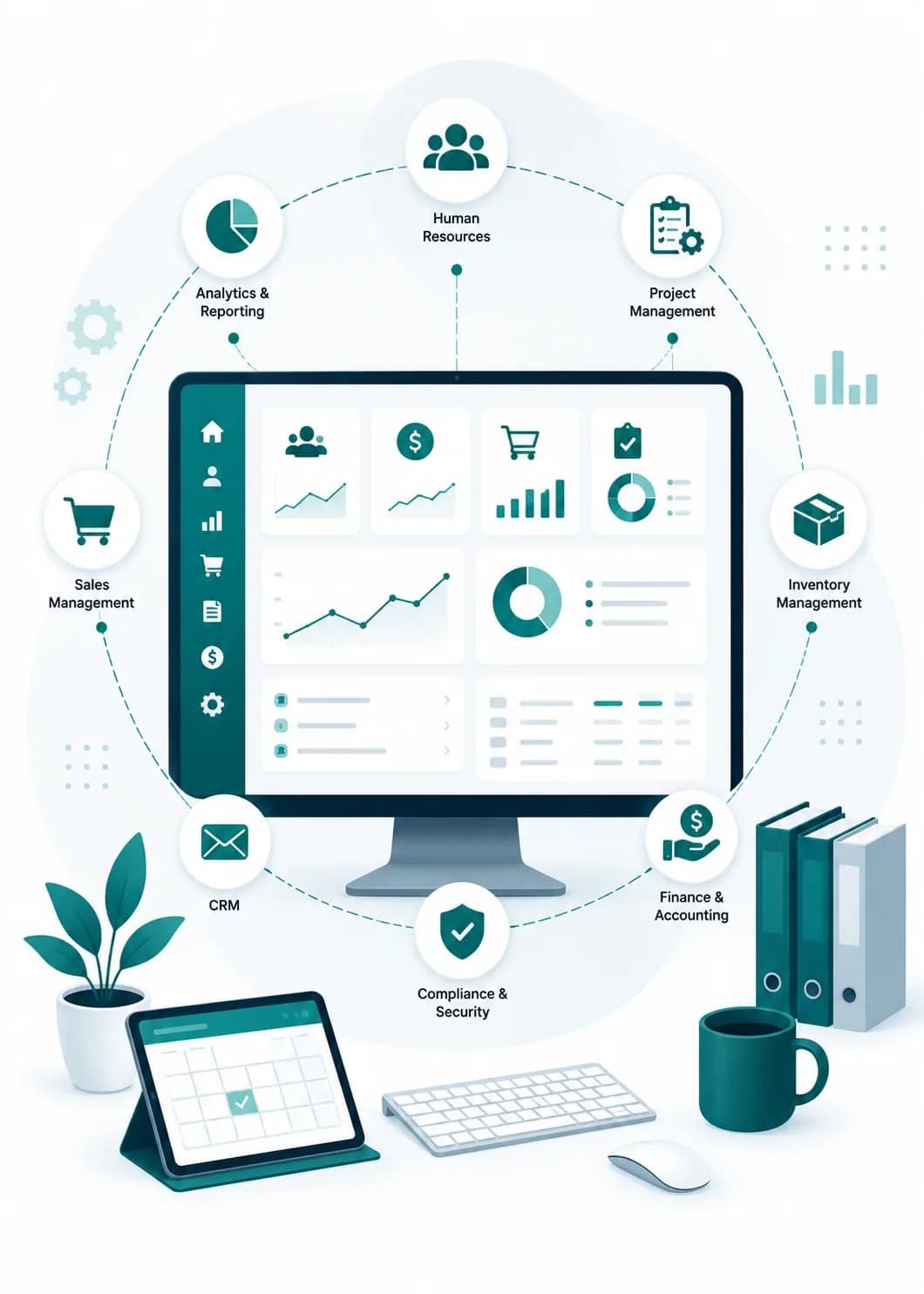
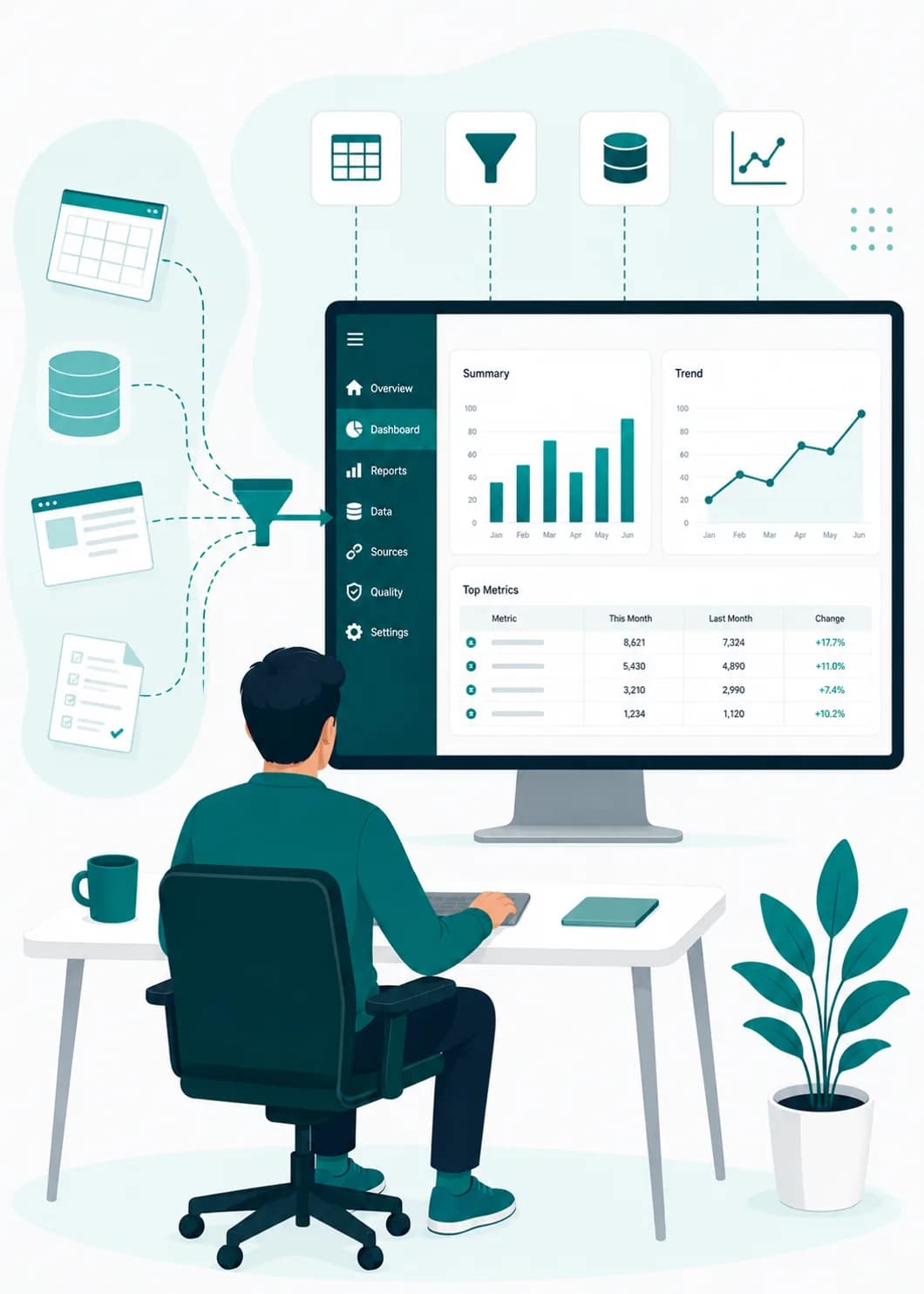
Each line answers a different question. Most programmes draw on three or four of them at once.

Client work
Systems in use, not case studies in theory
Retail, property, healthcare and hospitality — four sectors whose software has to hold up while people are working in it.
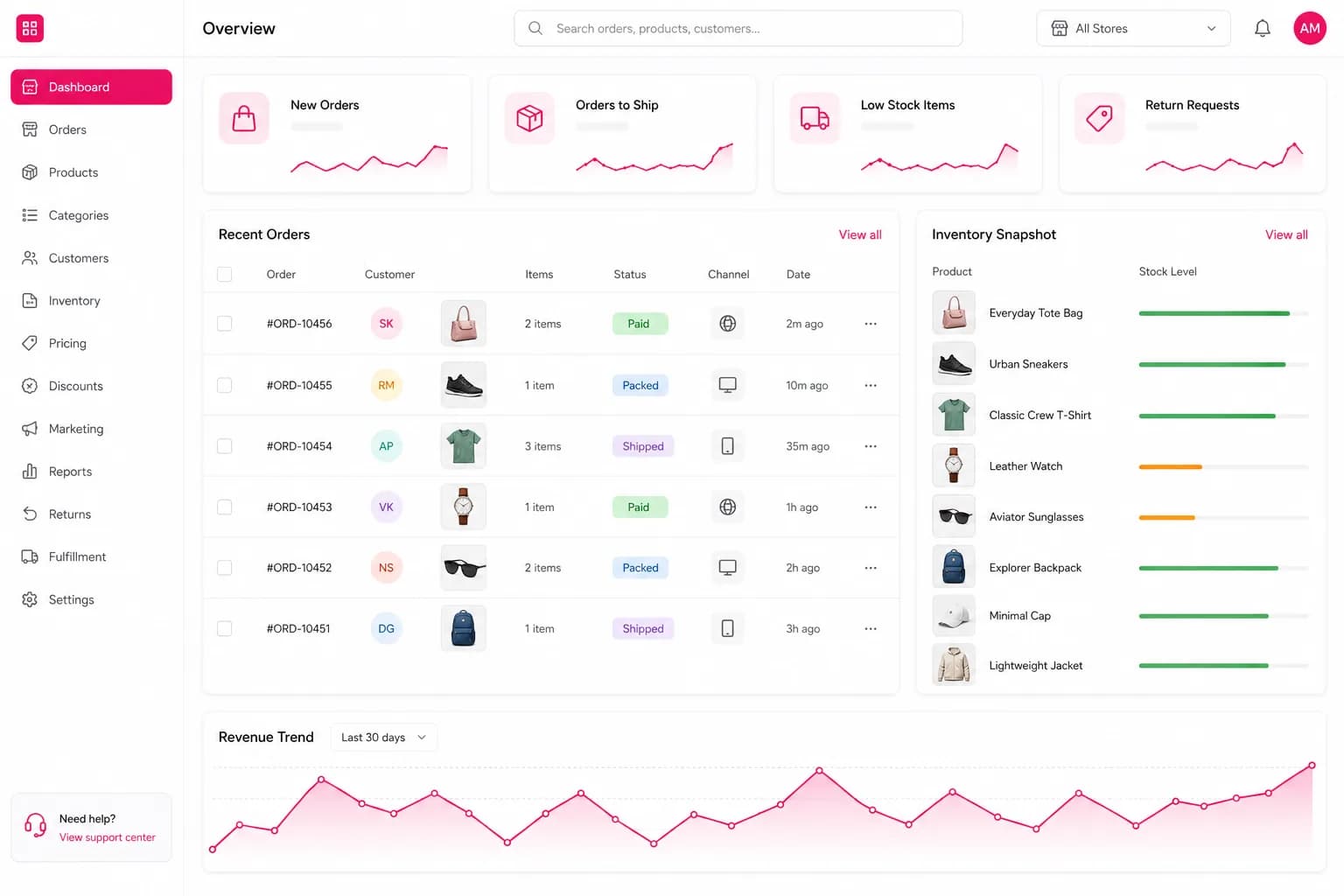
E-commerce platform
Catalogue, pricing and fulfilment on one record, so the storefront and the warehouse stop disagreeing about what is in stock.
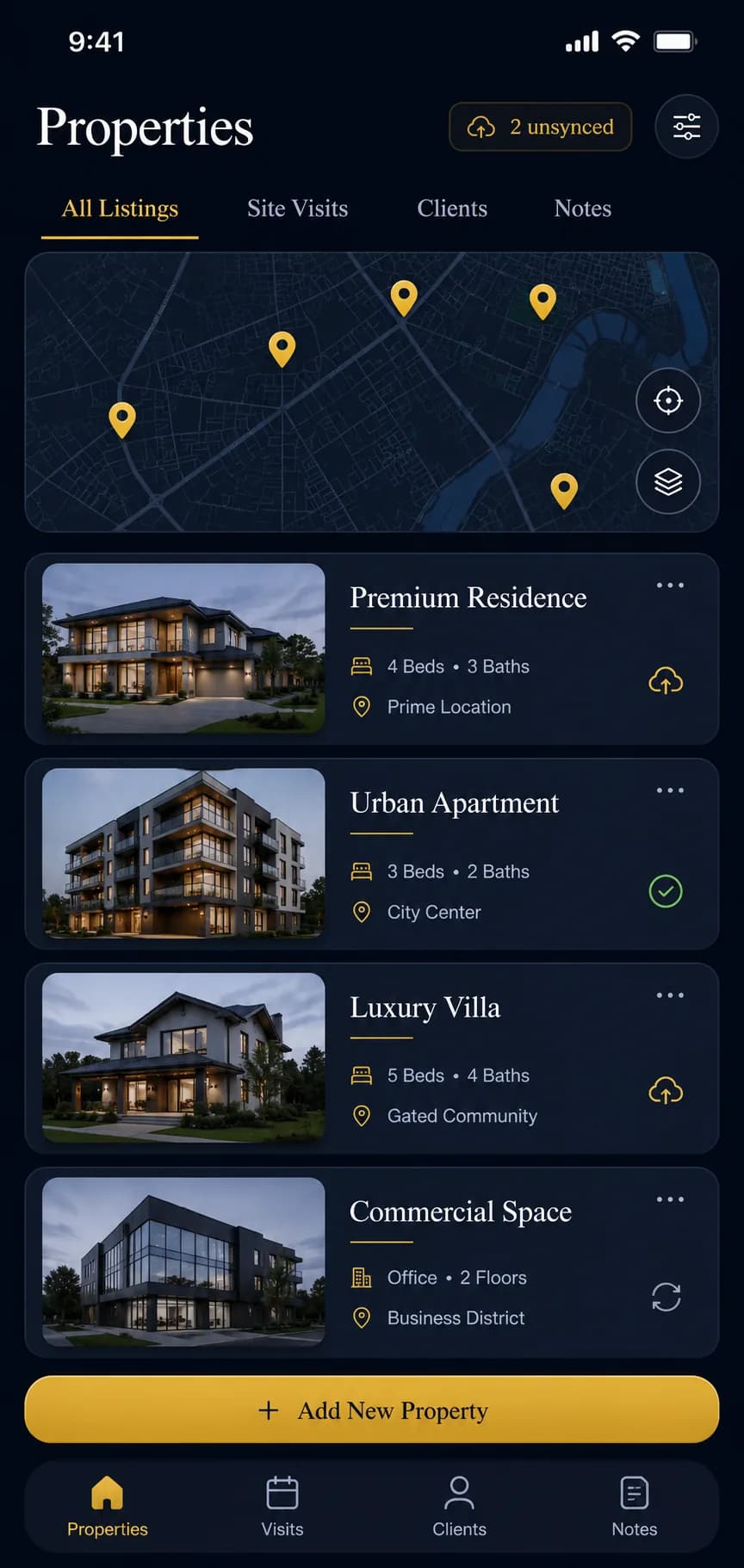
Real estate platform
Listings, site visits and client notes captured on the move, syncing once signal returns rather than waiting for someone to type them up.
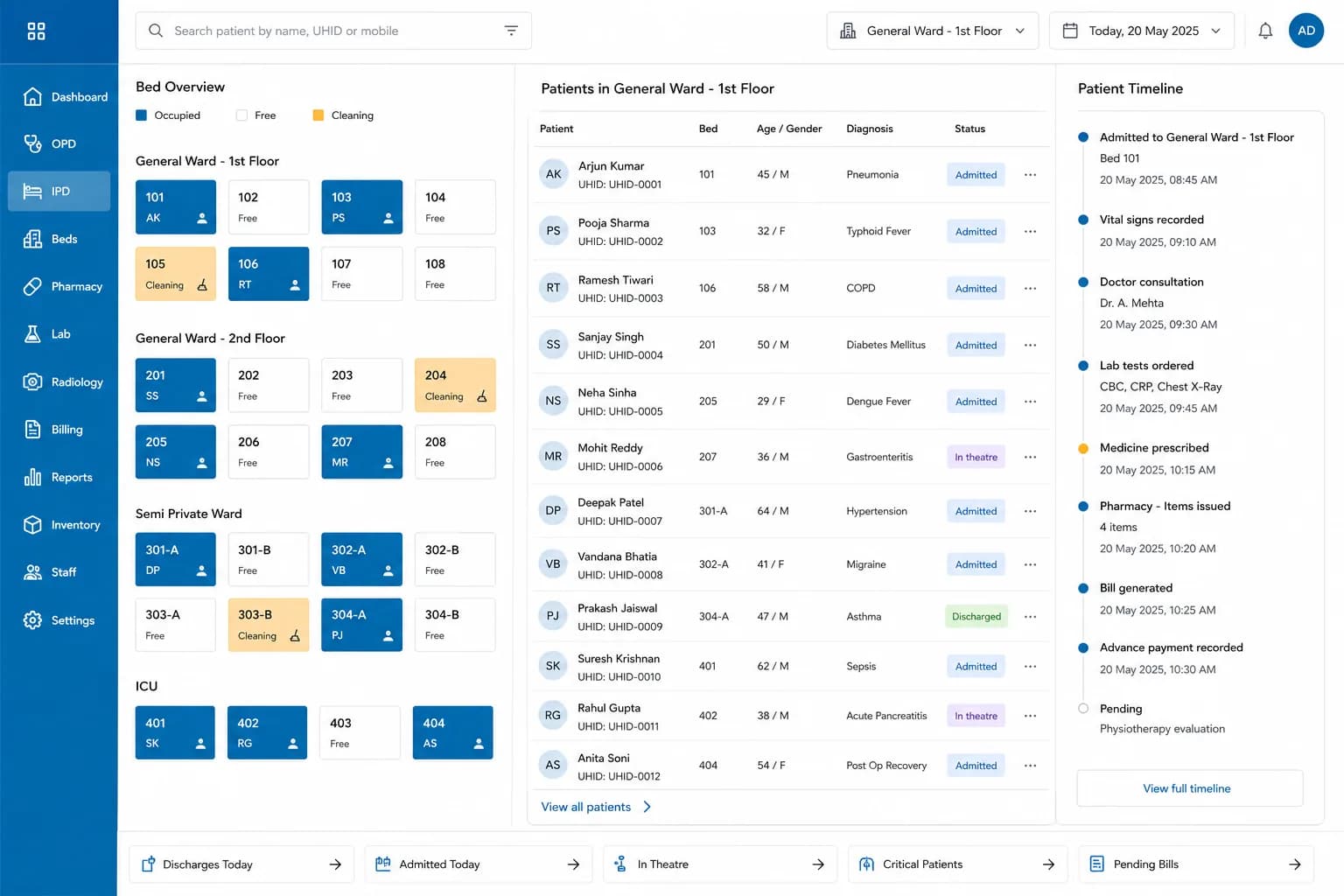
Hospital management system
Admissions, beds, pharmacy and billing against one patient record, so a history follows the patient between departments.
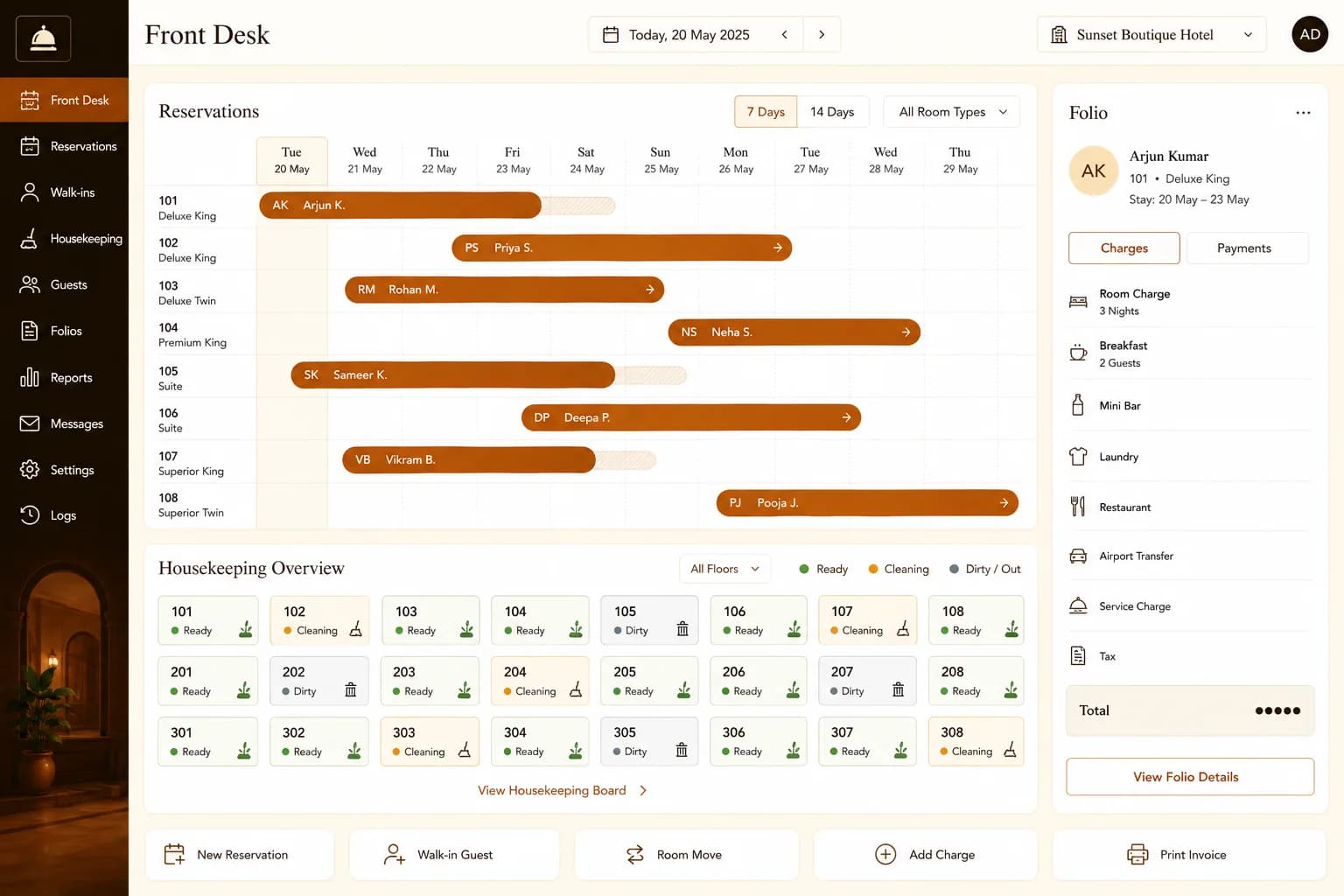
Hotel management system
Reservations, housekeeping and folio in one system, so the front desk and the floor are never working from different states.
How we work
Four steps, in this order, every time
The sequence is what keeps a programme honest. Skipping the first step is what produces software nobody uses.
Understand the operation
We map the real process — including the parts that live in spreadsheets and habit — before proposing a system.
Scope the smallest sufficient build
Where an existing system can be improved rather than replaced, we say so. Constraints shape the recommendation as much as the ideal answer.
Build in working increments
Each phase produces something usable, so value arrives before the whole programme is finished.
Hand over cleanly
Documentation, tests and knowledge transfer are part of delivery, not an afterthought.
Engagement models
Three ways to put a team on it
The shape of the commercial arrangement follows the shape of the work, not the other way round.
A defined scope, delivered in phases
A fixed team and a sequence of releases against an agreed outcome.
Best when the system has clear edges and a decision has already been made.
An ongoing allocation of the team
Continuous change, support and iteration on a live system.
Best when the software is central to operations and never really finished.
Our engineers inside your process
Working to your standards, your cadence and your review process.
Best when the direction is set and the constraint is capacity.
Next step
Start with what you run today
Whichever service lines apply, the conversation begins in the same place — understanding the operation as it works right now.